Introduction
Getting a PCOS diagnosis often comes with a flood of conflicting advice — cut all carbs, go keto, eat six small meals, eat only twice a day. It’s overwhelming. A sensible PCOS diet plan doesn’t need to be extreme; it needs to focus on blood sugar stability and reducing inflammation, which is really what’s driving most PCOS symptoms underneath it all.
Understanding the PCOS-Insulin Connection
Quick answer: Most PCOS symptoms are linked to insulin resistance, meaning a PCOS diet plan focused on stabilizing blood sugar through fiber, protein, and low-glycemic foods can meaningfully improve symptoms like irregular periods and weight gain.
Foods to Prioritize on a PCOS Diet Plan
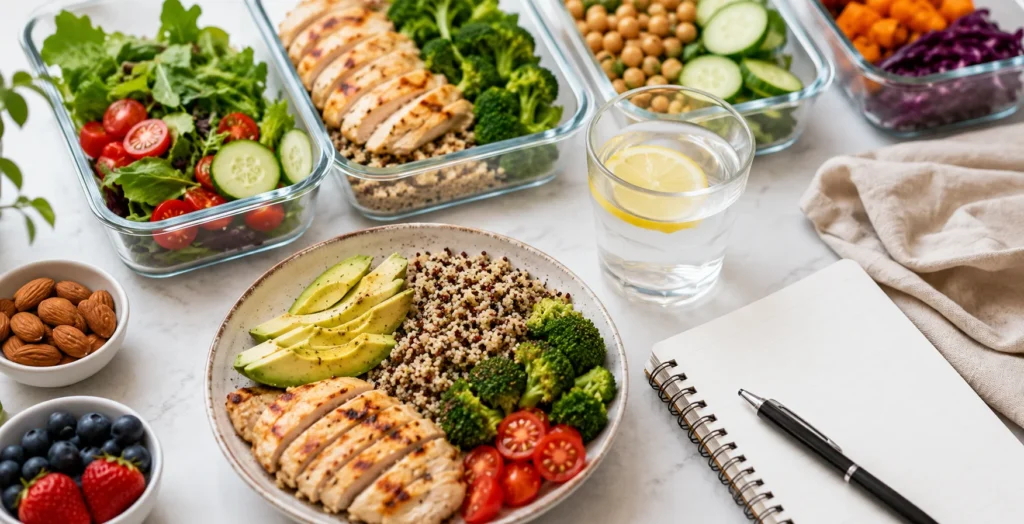
- High-fiber vegetables — broccoli, spinach, methi leaves
- Lean protein — paneer, tofu, eggs, lentils, fish if non-vegetarian
- Healthy fats — nuts, seeds, ghee in moderation, olive oil
- Low-glycemic grains — brown rice, quinoa, whole wheat in controlled portions
- Anti-inflammatory spices — turmeric, cinnamon, ginger
Foods to Limit or Avoid
- Refined sugar and sugary beverages
- White bread, maida-based snacks, and refined grains
- Fried and heavily processed foods
- Excessive dairy for some women (this varies individually, worth tracking)
A Sample Day on a PCOS-Friendly Diet
Breakfast: Vegetable moong dal chilla with a side of curd Lunch: Brown rice, dal, a big portion of sautéed vegetables, cucumber salad Snack: A handful of almonds and walnuts Dinner: Grilled paneer or tofu with stir-fried vegetables, one roti
Why Meal Timing Matters for PCOS
Eating protein and fiber at the start of a meal, before carbs, can help blunt post-meal blood sugar spikes — a small but genuinely useful trick for managing insulin resistance day to day.
Exercise Alongside Diet
Diet alone isn’t the full picture. Combining strength training with moderate cardio 4-5 times a week significantly improves insulin sensitivity, often more effectively than diet changes alone.
Supplements Often Discussed With PCOS
Inositol, Vitamin D, and omega-3s have shown promising research for PCOS symptom management, though these should be discussed with your doctor rather than self-prescribed.
FAQs
Q: Can a PCOS diet plan alone regulate periods without medication? For some women with mild PCOS, dietary and lifestyle changes alone can meaningfully improve cycle regularity — but many women need a combined approach with medical guidance.
Q: Is dairy bad for everyone with PCOS? Not universally — some women notice symptom improvement when reducing dairy, while others see no difference. It’s worth tracking your own response individually.
Q: How quickly can diet changes improve PCOS symptoms? Some women notice changes in energy and bloating within a few weeks; hormonal and cycle changes typically take 2-3 months of consistency to become clear.
Q: Do I need to completely eliminate carbs on a PCOS diet plan? No — the focus should be on choosing low-glycemic, fiber-rich carbs rather than eliminating carbohydrates entirely, which isn’t necessary or sustainable long-term.
Q: Can weight loss alone reverse PCOS? Even a modest 5-10% reduction in body weight has shown significant improvement in PCOS symptoms for many women, though PCOS itself isn’t fully “reversible” in the traditional sense.
Conclusion
A well-structured PCOS diet plan genuinely helps manage symptoms when it’s focused on blood sugar stability rather than extreme restriction. Start by swapping refined grains for whole ones and adding protein to every meal this week — small, sustainable shifts add up meaningfully over time. [Link to related guide: “Understanding Hormonal Imbalance in Women”] [Link to related guide: “Foods That Lower Blood Sugar Levels”]
Suggested Alt Text:
- “PCOS friendly meal with vegetables, lentils and whole grains”
- “Woman preparing a balanced low-glycemic meal for PCOS management”