Introduction
Somewhere around my early 30s, a friend of mine started noticing he wasn’t recovering from workouts the way he used to, and his energy just felt… different. Turns out this is incredibly common — testosterone naturally starts declining gradually after 30, and learning how to increase testosterone naturally became something worth actually understanding rather than ignoring.
Understanding the Natural Decline
Quick answer: Testosterone levels typically decline about 1% per year after age 30, but lifestyle factors like poor sleep, chronic stress, and excess body fat can accelerate this decline significantly — meaning much of it is genuinely within your control.
1. Prioritize Quality Sleep
Most testosterone production happens during deep sleep. Consistently getting under 6 hours nightly has been shown to reduce testosterone levels noticeably compared to 7-8 hours.
2. Strength Training Over Just Cardio
Compound lifts like squats, deadlifts, and bench presses trigger a stronger testosterone response compared to steady-state cardio alone. This doesn’t mean skip cardio entirely — just don’t rely on it exclusively.
3. Manage Body Fat, Especially Around the Midsection
Excess fat tissue converts testosterone into estrogen through an enzyme called aromatase — meaning higher body fat percentages are directly linked to lower testosterone levels.
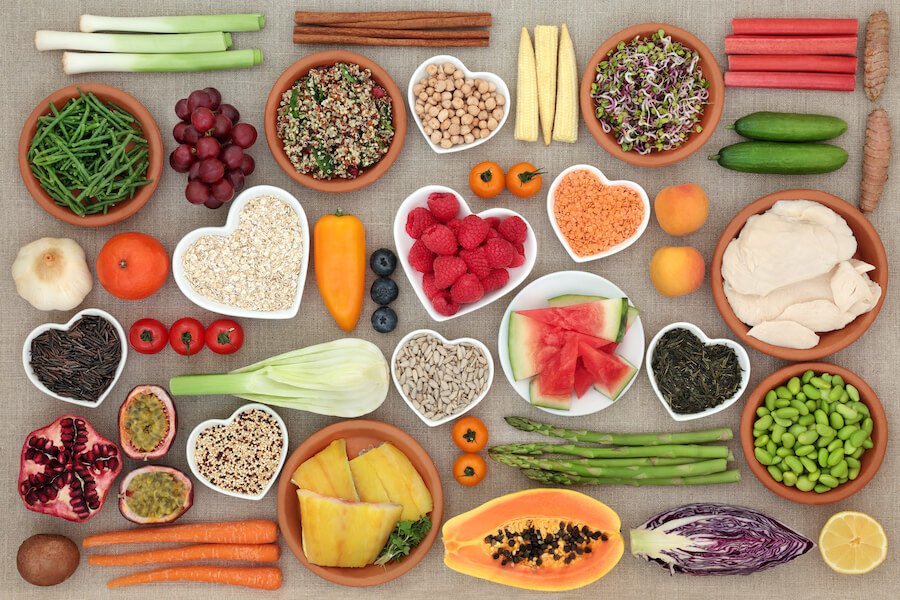
4. Get Enough Healthy Fats in Your Diet
- Ghee and nuts in moderate amounts
- Eggs, particularly the yolks
- Fatty fish if non-vegetarian
- Avocados
5. Manage Chronic Stress
Elevated cortisol from ongoing stress directly suppresses testosterone production. This is one of the most overlooked factors — people focus heavily on diet and exercise while ignoring stress entirely.
6. Vitamin D and Zinc Matter More Than People Realize
Both nutrients play a direct role in testosterone production, and deficiencies in either are surprisingly common, especially for people who work indoors most of the day.
7. Limit Alcohol Consumption
Regular heavy drinking has a measurable negative effect on testosterone levels over time — occasional moderate drinking isn’t a major concern, but frequent heavy use is.
What Doesn’t Actually Work (Despite the Marketing)
Most over-the-counter testosterone “boosters” sold online have little to no scientific backing. Real, sustained increases come from the fundamentals — sleep, training, diet, and stress management — not a bottle of supplements.
FAQs
Q: At what age does testosterone start declining? Typically starting around age 30, with a gradual decline of roughly 1% annually for most men.
Q: Can diet alone significantly increase testosterone naturally? Diet plays an important supporting role, but combined with proper sleep and strength training, the effects compound significantly more than diet changes alone.
Q: How do I know if I actually have low testosterone? Symptoms like persistent fatigue, reduced muscle mass despite training, low libido, or mood changes are worth discussing with a doctor, who can order a proper blood test to confirm.
Q: Does strength training really boost testosterone that much? Yes, particularly compound, heavy-resistance exercises — research consistently shows a measurable acute testosterone response, and long-term training supports healthier baseline levels.
Q: Is testosterone replacement therapy necessary for most men over 30? No, most men can meaningfully improve levels through lifestyle changes alone — TRT is typically reserved for clinically diagnosed low testosterone, not simply normal age-related decline.
Conclusion
Learning how to increase testosterone naturally after 30 really comes down to consistency across a handful of fundamentals rather than any single quick fix. Start with sleep and strength training this month — these two alone often produce noticeable improvements before you even touch diet or supplements. [Link to related guide: “Strength Training for Beginners”] [Link to related guide: “Prostate Health: Early Signs Every Man Should Know”]
Suggested Alt Text:
- “Man performing a heavy compound lift for testosterone and strength”
- “Healthy fats and foods that support natural testosterone production”