Introduction
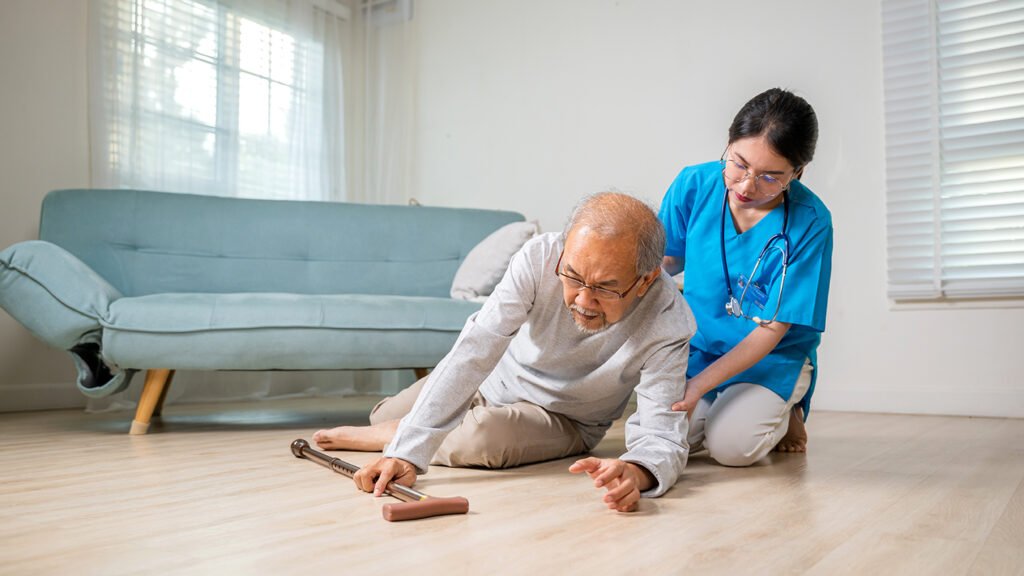
A single fall changed everything for my grandmother — a broken hip that took months to recover from, all from tripping over a loose rug in her own hallway. That experience made fall prevention for elderly family members feel less like an abstract concern and much more urgent, practically overnight. If you’ve got aging parents, this is worth taking seriously before an incident forces the issue.
Why Falls Are So Dangerous for Older Adults
Quick answer: Falls are the leading cause of injury-related hospitalization among adults over 65, largely because bone density naturally decreases with age, making fractures more likely and recovery significantly slower and more complicated.
Home Modifications That Genuinely Reduce Risk
- Remove loose rugs or secure them firmly with non-slip backing
- Install grab bars in bathrooms, especially near the toilet and shower
- Improve lighting in hallways, staircases, and entryways
- Keep frequently used items within easy reach, avoiding step stools entirely
- Use non-slip mats in the bathroom and kitchen
Common Hazards People Overlook
- Cluttered pathways with cords, furniture, or shoes
- Poor lighting, especially for nighttime bathroom trips
- Slippery floors, particularly right after mopping
- Uneven thresholds between rooms or steps without clear marking
Physical Factors That Increase Fall Risk
Beyond home hazards, weakened leg muscles, poor balance, vision changes, and certain medications (particularly sedatives or blood pressure medications) significantly increase fall risk and deserve regular medical review.
Exercises That Support Fall Prevention
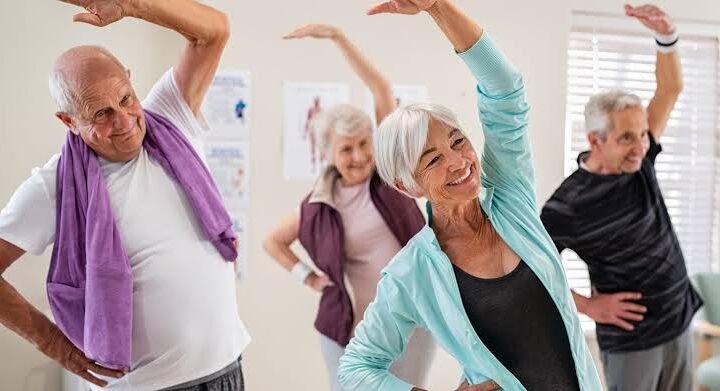
- Simple balance exercises like standing on one foot near a support
- Gentle strength training for legs, 2-3 times weekly
- Tai chi or yoga specifically adapted for seniors, shown in research to meaningfully reduce fall risk
Footwear Matters More Than People Realize
Loose slippers or walking barefoot on smooth floors significantly increases slip risk. Well-fitted, non-slip shoes, even indoors, make a genuine difference.
Regular Health Checks That Support Fall Prevention
- Annual vision and hearing checks, since both affect balance significantly
- Medication reviews with a doctor, particularly for anything causing dizziness
- Bone density screening, especially for women post-menopause
- Blood pressure monitoring, since sudden drops can cause dizziness upon standing
Having the Conversation With Aging Parents
This is often the hardest part — many elderly parents resist changes, feeling it threatens their independence. Framing modifications as things that help them stay independent longer, rather than signs of decline, tends to land much better.
FAQs
Q: What’s the single most effective fall prevention for elderly change I can make? Improving lighting and removing loose rugs typically offers the biggest immediate risk reduction for the least effort and cost.
Q: Should elderly parents use a walking aid even if they don’t feel they need one yet? If there’s any noticeable balance uncertainty, introducing a cane or walker proactively is far better than waiting for a fall to force the decision.
Q: How often should fall risk be reassessed? At least annually, or sooner if there’s been any near-fall incident, new medication, or noticeable change in mobility or balance.
Q: Do balance exercises really reduce fall risk significantly? Yes, research consistently shows regular balance and strength training can reduce fall risk by 20-40% in older adults who practice consistently.
Q: What should I do immediately after an elderly parent has a fall, even a minor one? Even seemingly minor falls warrant a doctor’s visit to check for hidden injuries and to review what specifically caused the fall, since it’s often preventable going forward.
Conclusion
Taking fall prevention for elderly parents seriously before an incident, rather than after, genuinely protects both their health and independence. Walk through their home this weekend with fresh eyes looking specifically for these hazards — it’s a small effort that can prevent a genuinely life-altering injury. [Link to related guide: “Best Low-Impact Exercises for Senior Citizens”] [Link to related guide: “10 Early Signs of Illness”]
Suggested Alt Text:
- “Bathroom grab bars installed for elderly fall prevention”
- “Elderly person practicing balance exercise with support nearby”