Introduction
A few years ago, tracking your health meant a notebook and guesswork. Now, the best health tracking apps 2026 offers can monitor everything from your sleep cycles to your heart rate variability, often more accurately than you’d expect from your phone alone. I was skeptical about how useful this data actually is until I started paying attention to patterns I’d genuinely never noticed before.
Why Health Tracking Apps Have Become So Popular
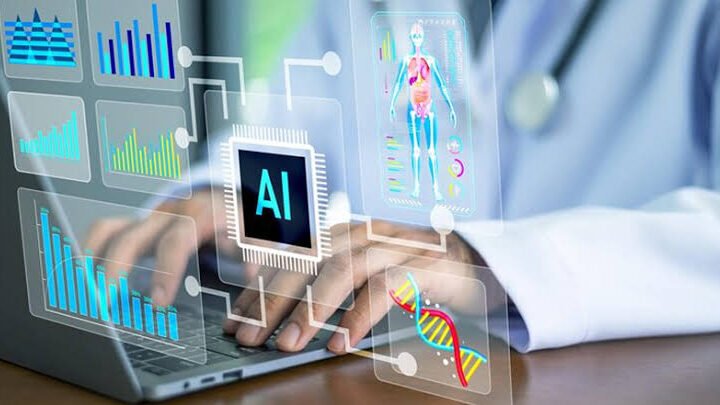
Quick answer: The best health tracking apps 2026 combine sensor data from phones and wearables with AI-driven insights, helping users spot patterns in sleep, activity, and stress that would otherwise go completely unnoticed in daily life.
Categories of Health Tracking Worth Considering
- General fitness and activity tracking
- Sleep monitoring and analysis
- Menstrual cycle and reproductive health tracking
- Mental health and mood tracking
- Nutrition and calorie tracking
- Chronic condition management (diabetes, blood pressure)
What Makes a Health Tracking App Genuinely Useful
Not all data is equally meaningful. The best health tracking apps 2026 provides go beyond just numbers — they offer context, trends over time, and actionable suggestions rather than overwhelming raw data with no real interpretation.
Features Worth Prioritizing
- Trend analysis over weeks/months, not just daily snapshots
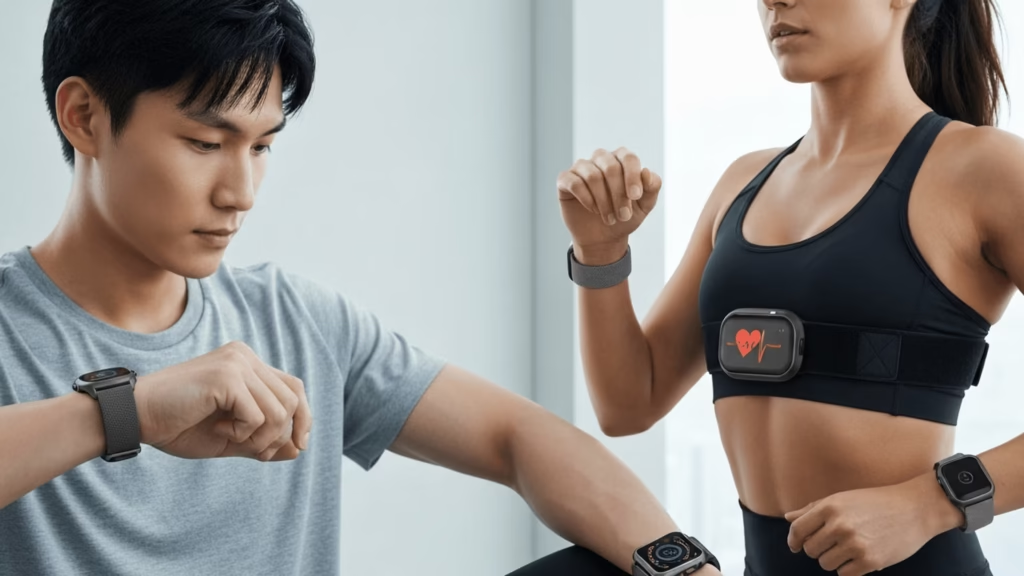
- Integration with wearables for more accurate data (phone-only tracking has real limitations)
- Data privacy and export options, so your information isn’t locked into one platform
- Doctor-shareable reports for conditions requiring ongoing medical monitoring
Sleep Tracking: What It Can and Can’t Tell You
Modern apps can reasonably estimate sleep stages and duration using movement and heart rate data, though they’re not as precise as a clinical sleep study. Still, spotting patterns — like consistently poor sleep after late caffeine — is genuinely valuable for most people.
Limitations Worth Understanding
- Consumer-grade tracking isn’t medical-grade accurate
- Data can create unnecessary anxiety if over-interpreted without context
- Battery and wearing consistency significantly affects data quality
- Some metrics (like calorie burn estimates) can be off by a meaningful margin
How to Actually Use the Data Effectively
Rather than obsessing over daily numbers, look at weekly and monthly trends. A single “bad” sleep score means little; a consistent pattern of poor sleep over several weeks is worth actually addressing.
Privacy Considerations With Health Apps
Health data is sensitive — always check an app’s privacy policy regarding data sharing with third parties, and prefer apps that allow local data storage or clear export/deletion options.
FAQs
Q: Are the best health tracking apps 2026 offers accurate enough to replace doctor visits? No — they’re useful for pattern recognition and general awareness, but should complement, not replace, professional medical evaluation and regular checkups.
Q: Do I need a wearable device, or is phone tracking enough? Phone-only tracking works reasonably well for step counts and general activity, but wearables provide significantly more accurate data for heart rate, sleep stages, and continuous monitoring.
Q: Is my health data safe on these apps? It depends heavily on the specific app and its privacy policy — always review data-sharing practices before granting extensive permissions.
Q: Can health tracking apps help manage chronic conditions like diabetes? Yes, many now offer specific features for blood sugar logging and pattern recognition, which can be genuinely useful when shared with your doctor during checkups.
Q: How much should I trust calorie tracking estimates from apps? Treat them as rough estimates rather than precise figures — they’re useful for relative trends (are you moving more this week than last) rather than exact scientific accuracy.
Conclusion
The best health tracking apps 2026 has to offer can genuinely transform vague health intuitions into actual, actionable patterns — but they work best as a complement to, not a replacement for, professional medical care. Pick one area to track consistently for a month, whether it’s sleep or activity, and see what patterns actually emerge. [Link to related guide: “How AI Is Changing Early Disease Diagnosis”] [Link to related guide: “10 Early Signs of Illness”]
Suggested Alt Text:
- “Smartphone displaying health tracking app with fitness data”
- “Wearable fitness tracker showing sleep and heart rate data”