Introduction
A radiologist friend of mine mentioned recently that an AI tool flagged a lung abnormality in a scan she almost overlooked during a busy shift — a genuinely sobering reminder of how much AI in disease diagnosis has quietly become part of modern medicine. This isn’t science fiction anymore; it’s actively reshaping how conditions get caught, often earlier than traditional methods alone would manage.
How AI Actually Fits Into the Diagnostic Process
Quick answer: AI in disease diagnosis primarily works by analyzing medical images, lab results, and patient data patterns far faster than manual review, flagging potential concerns for doctors to verify — functioning as a support tool rather than a replacement for medical judgment.
1. Medical Imaging Analysis
AI algorithms trained on millions of scans can now detect subtle patterns in X-rays, MRIs, and CT scans that might be easy to miss, particularly useful for early cancer detection and certain neurological conditions.
2. Predictive Analytics for Chronic Disease Risk
By analyzing patterns across large patient datasets, AI systems can flag individuals at higher risk for conditions like diabetes or heart disease before symptoms even fully develop, enabling earlier preventive intervention.
3. Pathology and Lab Result Analysis
AI-assisted pathology tools help analyze tissue samples and lab results with impressive consistency, reducing the variability that can occur with purely manual human review, especially during high caseloads.
4. Skin Condition Detection
Several apps now use AI to analyze photos of skin lesions, flagging concerning patterns that warrant professional dermatological evaluation — genuinely useful for early skin cancer screening awareness.
5. Eye Disease Screening
AI-based retinal scanning has shown strong results in detecting diabetic retinopathy and other eye conditions early, particularly valuable in areas with limited access to specialist ophthalmologists.
Real Benefits AI Brings to Early Diagnosis
- Faster analysis of large volumes of medical data
- Consistency in pattern recognition, reducing human fatigue-related errors
- Increased accessibility in areas with limited specialist availability
- Earlier flagging of subtle abnormalities that might otherwise be missed
Important Limitations to Understand
- AI tools require human doctors to confirm and contextualize findings
- Accuracy depends heavily on the quality and diversity of training data used
- AI can miss context specific to an individual patient’s broader health history
- Not all AI diagnostic tools are equally validated or regulated
The Doctor-AI Partnership Model
The most effective current use of AI in disease diagnosis isn’t replacing doctors — it’s augmenting their capabilities, catching things humans might miss while doctors provide the clinical judgment and patient context AI genuinely can’t replicate.
FAQs
Q: Can AI actually diagnose diseases without a doctor’s involvement? Currently, no — AI tools are designed to assist and flag potential concerns, but final diagnosis and treatment decisions remain with qualified medical professionals.
Q: How accurate is AI in disease diagnosis compared to human doctors? For specific, narrow tasks like certain image analysis, some AI tools have matched or exceeded average human accuracy in studies — but overall diagnostic reasoning still relies heavily on human expertise.
Q: Is AI-assisted diagnosis available in India yet? Yes, increasingly so — several hospitals and diagnostic centers have started incorporating AI tools, particularly for imaging analysis and diabetic retinopathy screening.
Q: Will AI eventually replace doctors entirely for diagnosis? Most experts don’t foresee full replacement, viewing AI instead as an increasingly powerful diagnostic support tool that works alongside, not instead of, medical professionals.
Q: How is patient data kept safe when AI tools are used for diagnosis? Regulated healthcare AI tools are generally required to follow strict data protection standards, though it’s worth confirming specific privacy practices with your healthcare provider.
Conclusion
AI in disease diagnosis represents a genuinely meaningful shift toward catching conditions earlier and more consistently — but it works best as a powerful tool in a doctor’s hands, not a replacement for one. As this technology continues developing through 2026 and beyond, it’s worth staying informed about how it might factor into your own healthcare experience. [Link to related guide: “Best Health Tracking Apps 2026”] [Link to related guide: “Blood Test Results Explained”]
Suggested Alt Text:
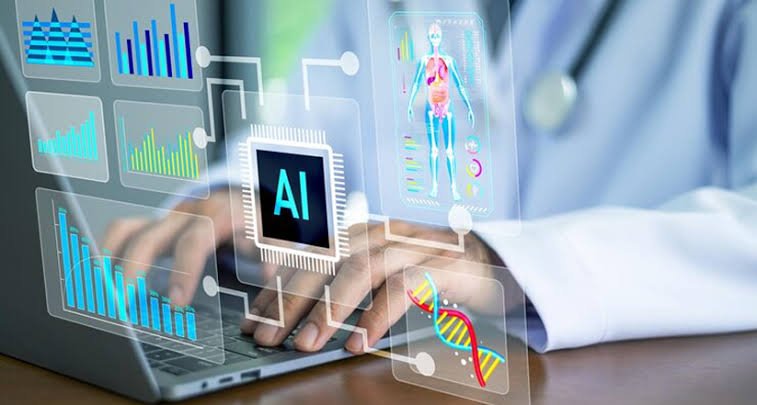
- “Doctor reviewing AI-assisted medical scan analysis on screen”
- “AI technology being used to analyze medical imaging for early diagnosis”