Introduction
That tight feeling in your chest before a big meeting, the racing thoughts at 2 AM, the constant “what if” loop — if you know it, you know it. Learning to manage anxiety naturally doesn’t mean ignoring professional help when it’s needed, but there’s a lot of ground you can cover yourself first. I’ve dealt with anxious spirals before deadlines for years, and honestly, a handful of simple techniques made a bigger difference than I expected.
Understanding What’s Actually Happening in Your Body
Quick answer: Anxiety triggers your body’s fight-or-flight response, releasing cortisol and adrenaline even when there’s no real physical threat — natural techniques work by calming this nervous system response directly.
1. Breathing Techniques That Actually Work
The 4-7-8 method — inhale for 4 seconds, hold for 7, exhale for 8 — activates your parasympathetic nervous system almost immediately. It sounds too simple to work, but give it three rounds next time you’re anxious and notice the shift.
2. Grounding Techniques for Racing Thoughts
The “5-4-3-2-1” technique pulls your mind out of spiraling thoughts by forcing sensory focus: name 5 things you see, 4 you can touch, 3 you hear, 2 you smell, 1 you taste.
3. Regular Exercise, Even Light Movement
Exercise burns off excess cortisol and releases endorphins. You don’t need an intense gym session — a 20-minute walk does measurable work in reducing anxiety symptoms.
4. Cutting Back on Caffeine
This one’s uncomfortable to hear if you love your chai or coffee, but caffeine directly mimics anxiety symptoms — racing heart, jitteriness — and can worsen an already anxious state.
5. Journaling to Externalize Thoughts
Writing down anxious thoughts, even messily, takes them out of the constant mental loop and onto paper where they’re easier to examine objectively.
- Brain dump everything worrying you, no filtering
- Write down what’s actually in your control vs not
- End with one small action step, even tiny
6. Limiting News and Social Media Consumption
Doom-scrolling genuinely fuels anxiety. Setting specific times to check news rather than constant exposure throughout the day reduces baseline anxiety noticeably.
7. Building a Consistent Sleep Schedule
Poor sleep and anxiety feed each other in a nasty cycle — anxious minds sleep poorly, and poor sleep worsens anxiety the next day. Breaking this cycle with a consistent bedtime helps more than people expect.
When Natural Techniques Aren’t Enough
If anxiety is interfering with work, relationships, or daily functioning despite trying these approaches consistently, that’s the signal to see a mental health professional — not a failure on your part.
FAQs
Q: How long does it take to manage anxiety naturally through lifestyle changes? Some techniques like breathing exercises help within minutes; longer-term lifestyle shifts like exercise and sleep typically show meaningful results within 3-4 weeks.
Q: Can diet actually affect anxiety levels? Yes — blood sugar crashes, excess caffeine, and nutrient deficiencies (particularly magnesium and B vitamins) can worsen anxiety symptoms considerably.
Q: Is it normal to feel anxious without an obvious reason? Yes, this is common and doesn’t necessarily point to anything serious — though if it’s frequent or intense, discussing it with a professional is worthwhile.
Q: Do herbal remedies like ashwagandha actually help with anxiety? Some research supports ashwagandha’s role in reducing cortisol levels, though it works best alongside, not instead of, other lifestyle changes.
Q: When should natural methods be paired with therapy or medication? When anxiety significantly disrupts sleep, work, or relationships over an extended period — natural methods work well for mild to moderate anxiety but aren’t a substitute for professional care when needed.
Conclusion
You can genuinely manage anxiety naturally with consistent, simple habits — but there’s no shame in needing more support if that’s not enough. Start with the breathing technique next time you feel that familiar tightness building, and build from there one habit at a time. Your nervous system responds better to gentle, repeated practice than to any single big fix. [Link to related guide: “Signs of Burnout and How to Recover”] [Link to related guide: “Digital Detox Benefits Explained”]
Suggested Alt Text:
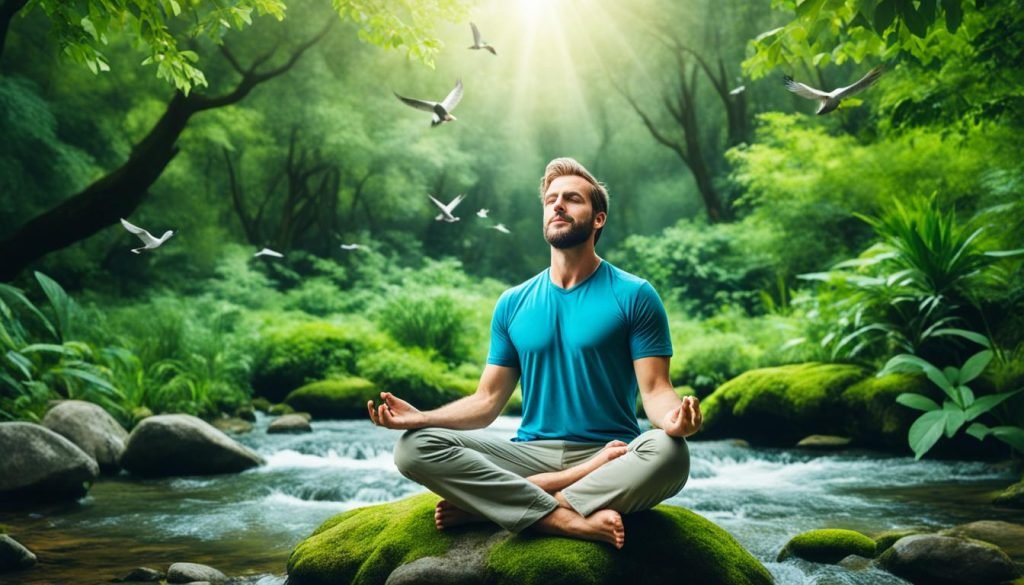
- “Person practicing deep breathing exercise to manage anxiety naturally”
- “Journal and pen used for anxiety management and reflection”