Introduction
That moment you touch your toddler’s forehead and it feels warmer than usual — every parent’s heart skips a beat. Knowing safe fever in toddlers home remedies, alongside recognizing genuine warning signs, makes those moments a lot less panic-inducing. I remember calling my sister (a nurse) at midnight over what turned out to be a completely normal, manageable fever — knowing the basics beforehand would’ve saved both of us that call.
Understanding Fever in Toddlers First
Quick answer: A fever in toddlers is generally defined as a temperature above 100.4°F (38°C), and in most cases represents the body’s normal immune response to a minor infection rather than something dangerous on its own.
Safe Home Care Approaches
- Keep your toddler hydrated with water, ORS, or breast milk/formula for infants
- Dress in light, breathable clothing — avoid over-bundling, which traps heat
- Use a lukewarm sponge bath if the fever feels particularly uncomfortable for them
- Ensure adequate rest, though don’t force sleep if they’re playing normally
When Paracetamol Is Appropriate
Pediatric paracetamol, dosed correctly according to your child’s weight (not just age), can help with comfort when fever is above 100.4°F and causing distress — always confirm dosing with your pediatrician or pharmacist rather than guessing.
What NOT to Do During a Fever
- Never give aspirin to toddlers — linked to a rare but serious condition called Reye’s syndrome
- Avoid alcohol rubs, an outdated and potentially harmful practice
- Don’t bundle in heavy blankets thinking it will “sweat out” the fever
- Avoid cold water baths, which can cause shivering and actually raise core temperature
Signs a Fever Needs Immediate Medical Attention
- Fever in an infant under 3 months (always urgent, regardless of degree)
- Temperature above 104°F in any toddler
- Fever accompanied by a rash, stiff neck, or unusual lethargy
- Difficulty breathing or persistent vomiting
- A fever lasting more than 3 days without improvement
- Any seizure activity, even brief
Comfort Measures Beyond Medication
Sometimes toddlers just want extra comfort during illness — more cuddles, a favorite show, or simple presence can genuinely help them feel more settled, even if it doesn’t reduce the fever itself.
Tracking Fever Properly
Use a reliable digital thermometer, and track readings with times if the fever persists — this pattern is genuinely useful information for a doctor if the situation doesn’t improve within a day or two.
FAQs
Q: Is a fever always a bad sign in toddlers? No, in most cases it indicates the immune system actively fighting off a minor infection — it’s the accompanying symptoms and severity that determine whether it’s concerning.
Q: How high is too high for a fever in toddlers home remedies to be sufficient? Above 104°F or a fever accompanied by any red-flag symptoms listed above should prompt immediate medical evaluation rather than continued home care.
Q: Should I wake my toddler up to give fever medication? Generally no — if they’re sleeping comfortably, let them rest, since sleep supports recovery. Wake them only if the fever is very high or they seem distressed.
Q: Can teething cause a fever in toddlers? Teething can cause a very mild temperature increase, but a true fever above 100.4°F is generally not attributed to teething alone and warrants normal fever evaluation.
Q: How long can a normal fever last before it’s concerning? Most viral fevers resolve within 3-4 days; anything persisting beyond that, or worsening instead of improving, needs a doctor’s evaluation.
Conclusion
Knowing safe fever in toddlers home remedies alongside the genuine warning signs takes a lot of the panic out of these moments. Keep a thermometer, appropriate pediatric paracetamol, and this checklist handy — most fevers resolve safely at home, but knowing exactly when to escalate makes all the difference. [Link to related guide: “Best Immunity Boosting Foods for Kids”] [Link to related guide: “When to See a Doctor vs Self-Treat”]
Suggested Alt Text:
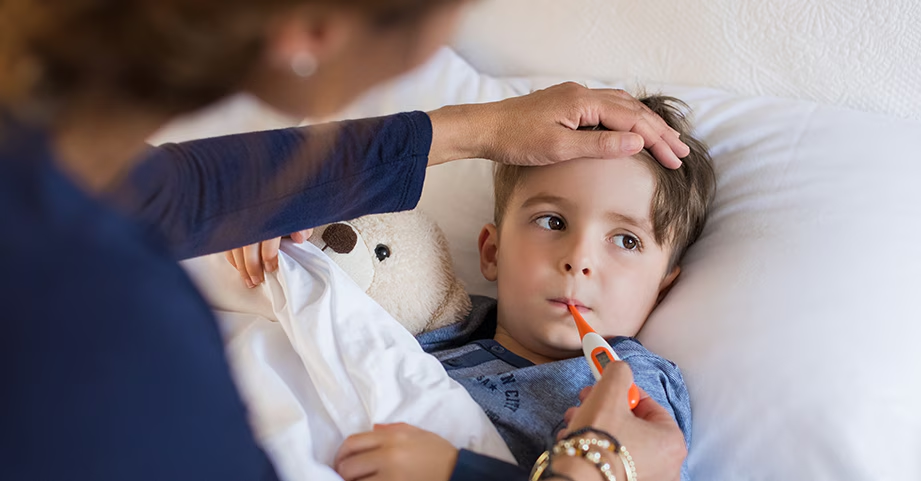
- “Parent checking toddler’s temperature with a digital thermometer”
- “Toddler resting comfortably while recovering from a mild fever”