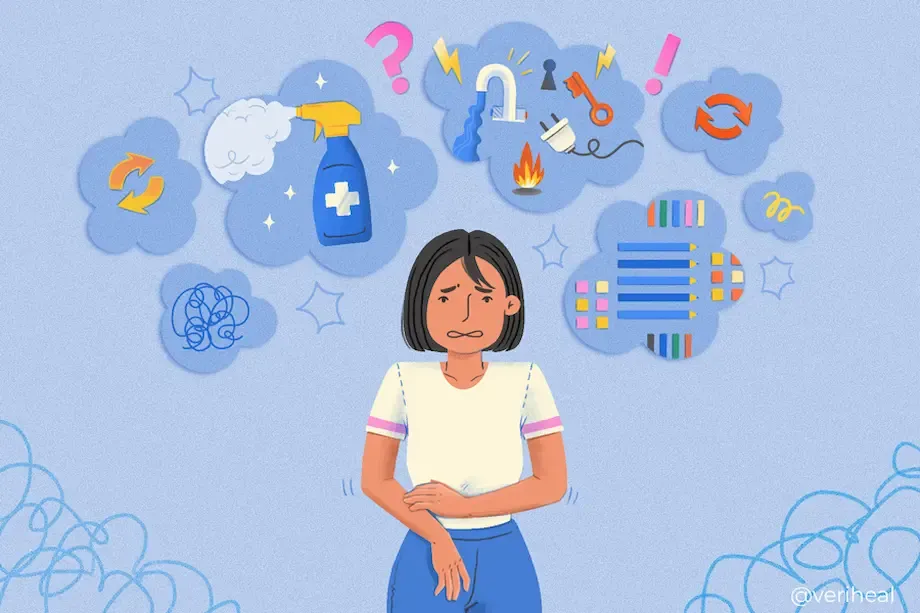
Repeated thoughts can be difficult to switch off, particularly when they become distressing or start affecting everyday life. For people experiencing obsessions or compulsive behaviors, obsessive-compulsive disorder therapy may provide a structured way to understand these patterns and work on healthier responses. At the same time, ongoing relationship stress can add to emotional strain and make it harder to cope.
What Makes Repetitive Thoughts Different?
Everyone experiences unwanted or repetitive thoughts from time to time. They become more concerning when they are persistent, distressing, and difficult to control.
Obsessions are recurring thoughts, images, or urges that can cause significant anxiety or discomfort. Compulsions are repetitive behaviors or mental acts that a person may feel driven to perform in response.
These patterns can take different forms. Someone may repeatedly check locks or appliances, seek reassurance, mentally review conversations, or follow particular routines because they feel something might go wrong otherwise.
Having a few repetitive habits does not automatically mean someone has OCD. A qualified professional can consider the broader pattern and how it affects the person’s life.
How Can OCD Affect Everyday Life?
OCD symptoms can take up considerable time and mental energy. A person may find it difficult to concentrate on work, studies, relationships, or other responsibilities because their attention keeps returning to unwanted thoughts or rituals.
Some people also avoid situations that trigger their obsessions. Over time, this can limit activities and contribute to additional stress.
The experience is different for everyone, which is why professional assessment is important before assuming that a particular symptom means OCD.
What About Stress at Home?
Mental health concerns do not exist separately from everyday relationships. Difficult conversations, frequent arguments, or uncertainty at home can contribute to emotional stress.
Someone searching “my husband is yelling at me” may be trying to understand whether repeated shouting is affecting their well-being or how to respond to it. Another person may search “my husband yells at me” because they are experiencing the same pattern and want practical guidance.
The reasons behind repeated yelling can vary, but the impact should not be ignored. Feeling anxious, constantly tense, or afraid to raise certain subjects can make it harder to feel comfortable at home.
When Is Professional Support Worth Considering?
Professional support may be worth considering when repetitive thoughts, compulsive behaviors, relationship conflict, or emotional distress begin interfering with daily life.
Therapy can provide a private setting to discuss what is happening without having to figure everything out beforehand. Depending on the concern, a therapist may help identify patterns, develop coping strategies, and explore healthier ways of responding.
If relationship conflict involves threats, intimidation, or violence, safety should take priority. In such circumstances, individual support and appropriate local resources may be more suitable than relying only on couples-based approaches.
Taking the First Step
You do not need to have a clear explanation for everything before seeking support. Describing what you have been experiencing, how often it happens, and how it affects your daily life can give a mental health professional a useful starting point.
Professional support can help you understand whether what you are experiencing may require further assessment and what options may be appropriate for your circumstances.